

Looking to get the most value from the Chasing Greatness Evolution in FC 26? Choosing the right player can turn a solid card into a game-changing star. Here are some of the best options to maximize your upgrade and strengthen your Ultimate Team. What Makes Chasing Greatness Worth It?The Chasing
MLB The Show 26 Best Hitter Guide: Top Cards at Every Position for a God Squad Build
Building a top-tier lineup in MLB The Show 26 is less about collecting random 99-overall cards and more about understanding swings, quirks, positional flexibility, and how players actually perform in-game. The “best team” isn’t always the most expensive—it’s the one that maximizes consistent hitting, MLB The Show 26 Stubs, and defensive stability while still fitting your budget.
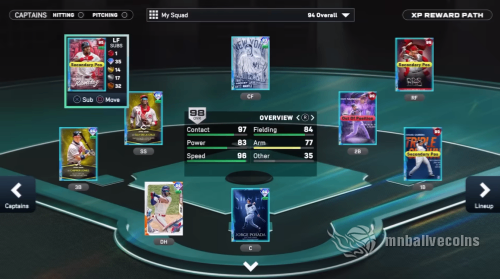
This guide breaks down the top three hitters at every position, plus a few budget-friendly alternatives, based on real in-game performance trends and community-tested cards.
Catcher – The Most Important Bat at a Weak Position
Catcher is one of the most swing-dependent positions in the game. You want contact stability, good quirks, and at least serviceable defense.
1. Jorge Posada
Posada is widely considered the best pure catcher-hitter in the game right now. He brings elite contact from both sides, strong clutch stats, and one of the cleanest swings among switch-hitters.
What makes him stand out is how “forgiving” his swing feels on greater difficulties. Even slightly late or early swings still carry exit velocity. He’s expensive, but if you’re building a serious competitive squad, he’s often worth the investment.
2. Víctor Martínez
Martínez is the budget god-squad catcher. He appears in nearly every competitive lineup because he is cheap, reliable, and switch-hitting.
He doesn’t quite match Posada’s ceiling, but his consistency is what makes him valuable. He also plays first base well, giving roster flexibility.
3. Carlos Santana (Secondary Catcher Cards)
Santana-type catcher eligibility cards provide strong power and a smooth swing, but usually come with defensive compromises. He’s best used when you want offense first and defense second.
Catcher takeaway:
Posada = elite meta
Martínez = budget meta
Santana = power gamble option
First Base – Power, Reverse Splits, and Free Value
First base is where raw hitting stats matter most.
1. Albert Pujols
Pujols cards are always endgame viable. He brings elite contact, massive power, and a swing that plays above attributes. This is a collection-level card, but if you have him, he is locked into your lineup.
2. Miguel Cabrera
Cabrera is another premium-tier bat with incredible swing mechanics. Even older versions remain viable because his contact profile is extremely forgiving.
3. Vladimir Guerrero Jr. (Free Program Card)
One of the most important budget wins in the game. Guerrero Jr. cards consistently overperform due to quirks like First Pitch and Rally Monkey combined with reverse splits.
He is especially valuable because he is free, meaning there is no excuse not to use him early or even late-game.
First base takeaway:
Pujols = best overall
Cabrera = elite contact power hybrid
Guerrero Jr. = free competitive option
Second Base – Speed, Defense, and Swing Control
Second base rewards versatility more than raw power.
1. Troy Tulowitzki
Tulo cards remain some of the best defensive middle infielders in the game. His swing is smooth, and his defense at secondary positions still holds up.
2. José Ramírez
Ramírez is one of the most balanced hitters in MLB The Show 26. He brings switch-hitting, speed, and strong clutch hitting. He is slightly undersized defensively at second but makes up for it offensively.
3. Travis Bazzana-type Budget Cards
Budget second basemen often focus on contact and speed rather than elite power. These cards work best when paired with fielding or contact boosts.
Second base takeaway:
Tulo = elite defense meta
Ramírez = balanced god squad option
Budget cards = value speed/contact
Shortstop – One of the Most Loaded Positions
Shortstop is stacked in MLB The Show 26, with multiple endgame options.
1. Elly De La Cruz
Elly is one of the most explosive cards in the entire game. His combination of speed, power, and length makes him uniquely dominant. He performs well even on Legend difficulty due to his swing timing window and defensive range.
2. Francisco Lindor
Lindor is a consistent switch-hitting shortstop with strong pop and balanced hitting stats. While slightly less dominant defensively than Elly, he remains a reliable option.
3. Secondary Elite SS Cards
Cards like Tulo (if used elsewhere), or similar high-contact shortstops, fill this tier depending on lineup construction.
Shortstop takeaway:
Elly = top-tier meta
Lindor = balanced alternative
Others = role-based builds
Third Base – Power and Swing Preference Position
Third base is highly swing-dependent.
1. Miguel Cabrera
Cabrera also plays third base and remains elite due to his hitting consistency.
2. Chipper Jones
Chipper is one of the smoothest swings in the game. Switch-hitting plus elite contact make him a consistently ranked player favorite.
3. Ian Happ-type Budget Cards
Happ-style cards offer switch-hitting, good quirks, and solid enough defense to justify roster inclusion. They are ideal for players who want value without breaking the bank.
Third base takeaway:
Chipper = premium swing
Cabrera = power/contact hybrid
Happ = budget flexibility
Outfield – Speed, Defense, and Power Balance
Outfield is where meta diversity is most noticeable.
Left Field
Mickey Mantle
Mantle remains a top-tier outfielder due to an elite switch-hitting, speed, and power combination.
Other strong options include Jose Ramírez-type secondary builds and budget cards like Ian Happ, depending on roster needs.
Center Field
Carlos Beltrán
Beltrán is one of the best defensive center fielders while still providing offensive production. He is especially valuable when speed-modded.
Ken Griffey Jr.
Griffey has one of the best swings in MLB The Show history. His defense is slightly weaker compared to elite meta cards, but his hitting makes up for it.
Right Field
Fernando Tatis Jr.
Tatis remains one of the most complete cards in the game with elite speed, power, and defensive ability.
Ken Singleton-type cards also provide budget contact value but lack elite speed.
Outfield takeaway:
Mantle = premium switch hitter
Beltrán = defensive anchor
Griffey = swing king
Tatis = all-around meta threat
Designated Hitter – Pure Offense Slot
DH is where you maximize raw hitting without defensive concerns.
Best Tier DH Options:
Bryce Harper – elite vs righties, strong swing consistency
Manny Ramírez – reverse split monster
Yordan Alvarez – arguably the most consistent pure hitter in the game
David Ortiz – classic power bat option
Yordan Alvarez stands out as the most reliable pure DH due to his combination of contact, clutch, and raw power output across difficulties buy MLB 26 Stubs.
Final Thoughts – Building the True “God Squad”
The real meta in MLB The Show 26 is not about stacking 99 overalls—it’s about:
Smooth swings over raw stats
Quirks that activate consistently
Speed at premium defensive positions
Flexible cards that play multiple roles
Avoiding defensive liabilities in the field
A truly optimal lineup will mix:
Elite swing cards (Chipper, Griffey, Yordan)
Speed/defense anchors (Elly, Beltrán, Tatis)
Budget overperformers (Vladimir Guerrero Jr., Ian Happ-type cards)
One or two collection monsters (Pujols, Cabrera, Mantle)
If you balance those correctly, you don’t just build a strong team—you build a lineup that performs consistently across ranked, events, and competitive play.
Recently News
FC 26 Chasing Greatness Evolution: The BEST Players You Need to Upgrade

Recently Read
-
FC 26 Chasing Greatness Evolution: The BEST Players You Need to Upgrade
Jul-03-2026 PST |FC 26 -
ARC Raiders – Is the Game in Trouble or Just Evolving?
Jun-30-2026 PST |ARC Raiders